B.W. Alan holds a graduate degree in Psychology, a lens through which she crafts her evocative and introspective narratives. Her writing weaves together elegance and raw emotion, often delving into the intricate dance between light and darkness within the human experience. A lover of depth and nuance, her stories explore the complexities of the mind and heart. When not immersed in her writing, she finds peace in the company of her cherished rescue dogs. This book is a testament to her deep passion for the written word, the exploration of human nature, and the transformative power of storytelling.
Q: Please introduce yourself! Share your name, pronouns, and something fun, interesting, curious, or important about yourself that you would like your audience to know.
A: My name is B.W. Alan. She/her. Something important about me is that I have always been a writer long before I allowed anyone else to call me one. I’ve kept journals for years, pages full of thoughts I never intended to share. Saving Hampton Grace was the first time I chose to open the door instead of just writing behind it.
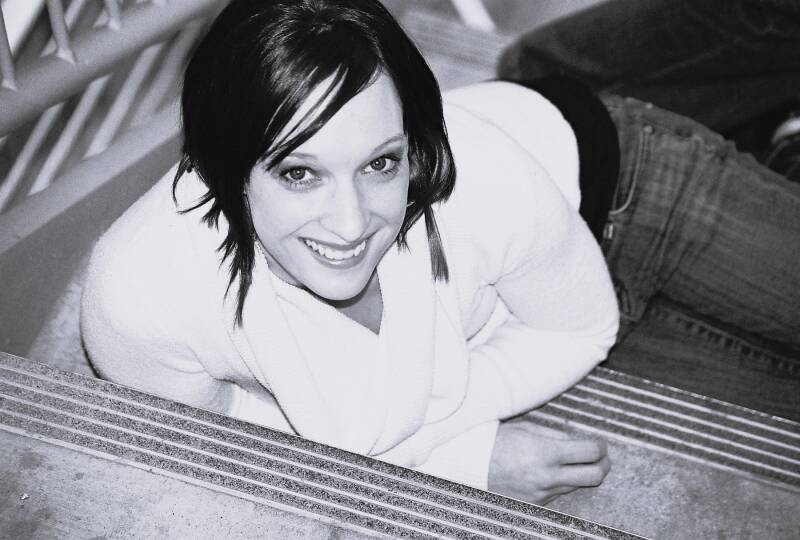
Image Description: A photo of author, B.W. Alan. She is lying on her side, looking up at the camera with a smile on her face. She has straight, dark hair and a wide smile. She is wearing a white sweater and dark jeans.
Credit: c/o B.W. Alan
Q: What genre or format do you write in?
A: Contemporary dark romance with psychological depth. I write stories that live in the space between beauty and damage. Where love doesn’t arrive clean and easy, but complicated, flawed, and transformative.
Q: Who do you write for? Who is your audience, and are you seeking to reach a particular type of reader with your work? Why?
A: I write for readers who have ever felt like they were holding themselves together in silence.
For the ones who function well on the outside but carry storms privately. My stories are for those who crave intensity, emotional depth, and characters who are not easily saved, because sometimes the saving is complicated.
Q: When did you decide you wanted to write?
A: I don’t remember deciding. I remember surviving, and writing being the way I made sense of it. The decision to publish came much, much later. The writing itself has always been there.
Q: What got you interested in the world of writing originally?
A: My mother was a journalist and editor. Words were never just decoration in our house, they were currency, power, survival. I grew up watching her treat sentences like they mattered. That stayed with me. I think I learned early that language isn’t just communication, it’s control, confession, and sometimes, rescue.
Q: There are so many possible avenues to take. Why write?
A: Because some things cannot be spoken aloud.
Writing allows honesty without interruption. It allows complexity. It allows darkness to exist without being simplified.
I have never been someone who could articulate myself easily in conversation. I’ve always needed to step back, sit with my thoughts, and let them unfold on paper. To me, thoughts are not fleeting, they are the driving force behind everything. And if something carries that much weight, it deserves to be shared with intention.
Q: Similarly, why pursue being an indie author? What is your goal?
A: Whether indie or traditionally published, my focus is the same: preserving the story’s tone, pacing, and intensity. My goal isn’t mass appeal, it’s resonance. I’d rather reach a smaller audience deeply than dilute the story to make it safer.
Q: What do you do to hone your craft?
A: I just write. I let the story tell itself. I don’t force it into something overly structured too early. Every so often, I’ll stop, read back through, check for continuity, and revise where it needs strengthening, but I don’t over-edit.
The story is the story.
Drafting is instinct. Editing is refinement. But if you polish something too much, you risk sanding away the soul of it.
Q: What tricks do you use to get out of writer’s block?
A: I stop trying to be clever and start being honest. When I can’t move forward in the story, it’s usually because a character isn’t telling the truth yet.
Q: Would you mind telling us about your writing process?
A: I usually begin with a scene: sudden, vivid, almost intruding on my mind, sometimes born from a dream. It arrives fully formed, raw and intense, with no story to hold it yet. From that spark, I unravel the threads, letting the scene whisper the tale it wants to become, and slowly, the story grows around it, as if it had been waiting all along.
Q: Do you have any other writing “hacks” that other writers might benefit from?
A: Write the scene that scares you. If it makes you uncomfortable, there’s usually something honest in it.
Q: Where do you get your inspiration?
A: From human contradiction. Strength coexisting with fragility. Control masking chaos. The way people say one thing but mean another.
Q: Would you like to share anything about your current work in progress?
A: I’m writing The Dark Mirror Duology, a two-part dark fantasy where magic lingers in shadows, fairies weave mischief, and love can shock you in the most unexpected ways. It’s a story of grief and power, rebellion and desire, about the doors that only open when you dare to face what waits on the other side.
Q: Do you consider yourself a minority? If so, would you be willing to share the ways in which you are?
A: I don’t identify as a minority; however, I do write openly about mental health, self-destructive coping mechanisms, and the gray areas of desire. Topics that are often misunderstood or simplified.
Q: Does this impact what you write about? If so, why and how?
A: Absolutely. I am drawn to characters who are struggling privately. I don’t write “perfect” characters. I write layered ones.
Q: What do you wish you found more of in books today? Why?
A: Emotional nuance. I want more characters who are allowed to be complicated without being immediately redeemed or condemned.
Q: What does representation in literature mean to you? Is it important to you? How so?
A: Representation means someone picking up a book and recognizing a part of themselves they thought was too broken or too strange to exist elsewhere. Yes, it’s important. Stories shape how we understand ourselves.
Q: How do you think representation in literature affects culture? Does it?
A: It absolutely does. Literature normalizes conversations that might otherwise remain hidden. It gives language to experiences people struggle to articulate.
Q: Does representation play a role in what or how you write?
A: Yes, particularly in portraying mental health and emotional vulnerability without glamorizing or trivializing it.
I want readers to feel seen, not romanticized in their pain.
Q: What advice would you give to new writers?
A: Stop waiting for permission. Write the story the way it needs to be written, not the way you think it will be received. Saving Hampton Grace may never go anywhere, and that’s okay. I didn’t write it for fame or fortune; I wrote it because I needed to put on paper what I was feeling during a difficult time. Writing is about telling your story, first and foremost.
Q: What do you wish someone had told you when you were finding your path?
A: I wish someone had told me that the path doesn’t require certainty. You can carry fear with you and still walk forward, it’s the act of moving despite it that counts
Q: Do you have any work already out there that you would like to talk about?
A: Saving Hampton Grace is my debut novel.
It explores self-harm, emotional isolation, control, and the complicated dynamic between two people who recognize darkness in one another. It asks whether someone can truly “save” another person, or if salvation must ultimately be chosen.
I wrote it for anyone who has ever felt like they were too much and not enough at the same time.
Q: Where can readers find your work?
A: Saving Hampton Grace is available through major online retailers such as Amazon and Barnes & Noble plus a plethora of overseas retailers. Readers can follow updates and future projects by signing up for my newsletter on the home page of my website, www.bwalan-author.com.
I am also on TT, Facebook and Instagram, though I am not as active as I should be
https://www.tiktok.com/@bwalanauthor
https://www.facebook.com/people/B-W-Alan-Published-Author/61584472656580/
https://www.instagram.com/authorbwalan
Q: What would you like to share or say to the Underground Bookshelf audience that hasn’t already been brought up?
A: If a story unsettles you, sit with that feeling, sometimes discomfort is where the truth is hiding. At the same time, be self-aware: read trigger warnings, and don’t dive into something you’re not yet ready to face. Writing and reading can be powerful, but they’re also meant to be approached with care.
Q: Thank you for sharing your thoughts, today. Any final words?
A: Thank you for reading stories that aren’t always easy, and for believing that broken characters deserve to be heard. May grace follow you quietly, in the spaces between words, in the silences you carry, and in the courage it takes to keep listening.
Add comment
Comments